Home » Guides
Eating Out Gluten-Free
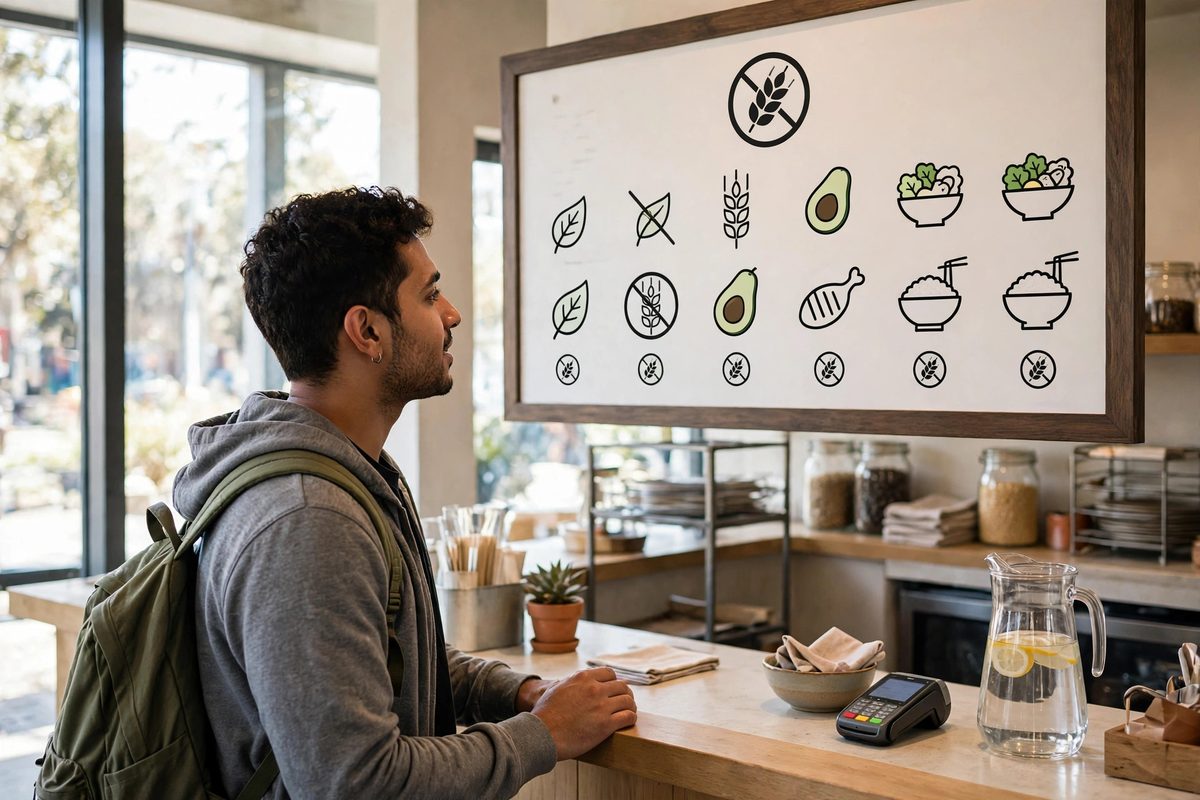
Eating out without gluten can feel stressful, especially if you have celiac disease and even a small amount of gluten causes harm. But it is entirely possible with a little preparation: choosing the right restaurant, asking the right questions, and knowing which dishes are usually safe. This guide explains how to eat out confidently, which cuisines are easiest, what to say to staff, and what to do if something goes wrong.
Choosing a restaurant
Look for restaurants that mention gluten-free options on their menu or website, and read recent reviews from other gluten-free diners. Chain restaurants often have an allergen guide that lists gluten-free dishes. Call ahead if you have celiac disease, and ask whether they have a separate preparation area or fryers. Cuisines that are naturally easier include Indian, Thai, Vietnamese, and Mexican, because they use rice and corn rather than wheat. Italian restaurants can be hard, because pasta and pizza dominate the menu, although many now offer gluten-free pasta.
What to ask
Tell the staff clearly that you need gluten-free food, and explain whether it is for celiac disease or a preference, because the level of care is different. Ask whether the dish is made with wheat, soy sauce, or stock that contains gluten. Ask about fryers: chips cooked in a shared fryer with breaded food are not safe for celiac disease. Ask whether bread is toasted in a shared toaster, and whether salads are prepared on a clean board. Be polite and clear, and thank staff who take care. If the staff seem unsure, choose a simple dish or eat elsewhere.
Dishes that are usually safe
Grilled meat or fish with rice or potatoes and vegetables is usually a safe choice, as long as the sauce is gluten-free. Salads with a simple oil dressing are usually safe, but check the dressing and any croutons. Rice dishes, such as risotto or a rice-based curry, are often safe. Corn tacos and rice-paper rolls are good options. Avoid breaded food, battered fish, soy sauce, and anything with a thick sauce unless you have checked it. Dessert is often the hardest course: fresh fruit or ice cream are usually the safest choices.
If something goes wrong
If you realise you have eaten gluten, do not panic. For most people, the symptoms are unpleasant but pass within a day or two. Drink water, rest, and eat simply for the next day. If you have celiac disease, a small amount of gluten will not cause lasting damage from a single mistake, although repeated exposure will. Tell the restaurant what happened, so they can improve. If you have severe symptoms, such as vomiting, severe pain, or difficulty breathing, seek medical help. Keep a note of what you ate, so you can work out what went wrong.
Building a list of safe places
Over time, build a personal list of restaurants and cafes where you have eaten safely. Note the name, what you ordered, and how the staff handled your request, and keep the list on your phone so you can check it when you are out. Share the list with friends who eat gluten-free, and ask them for their recommendations too. A trusted list takes the stress out of eating out, because you know where to go and what to order. It also helps when friends invite you out, because you can suggest a place you already trust.
Frequently Asked Questions
Can I eat chips at a restaurant if I have celiac disease?
Only if they are cooked in a dedicated gluten-free fryer. Chips cooked in a shared fryer with breaded food are not safe.
Should I tell staff I have celiac disease?
Yes, if you do. It helps staff understand that cross-contact matters, not just the ingredients.
Which cuisine is easiest for gluten-free eating?
Indian, Thai, Vietnamese, and Mexican cuisines are often easiest, because they use rice, corn, and rice noodles rather than wheat.
Important: if you have celiac disease or a wheat allergy, always check labels and look for certified gluten-free products. This site is general information only — talk to your doctor or a registered dietitian before changing your diet.