Home » Guides
Gluten-Free Baking
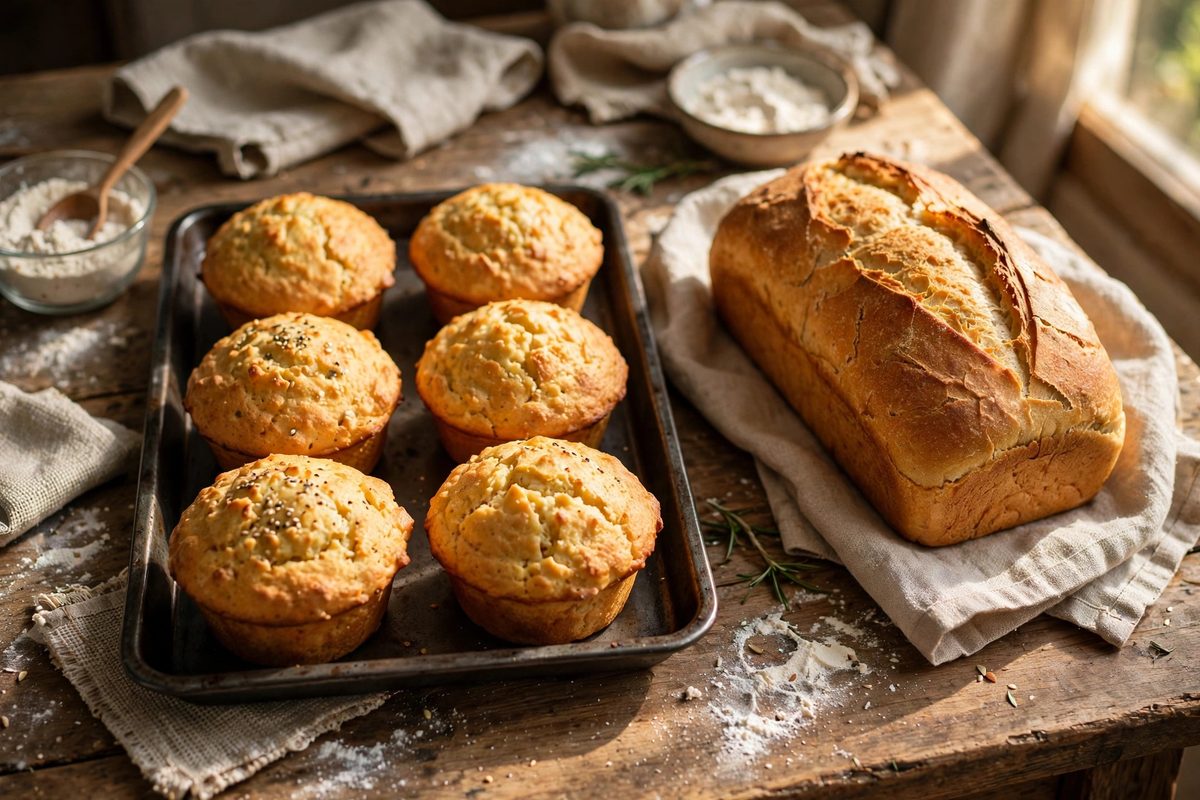
Gluten-free baking has a reputation for being difficult, and it is true that removing gluten changes how dough behaves. Gluten is the protein that gives bread its stretch and cakes their structure, so without it, baking needs different flours, a binder, and a few changes in technique. But with the right blend and a few simple habits, gluten-free baking can be just as good as ordinary baking. This guide explains how gluten-free baking works, which flours to use, and the techniques that make the difference between a dry, crumbly result and a bake you are proud of.
Why gluten-free baking is different
Gluten forms a stretchy network when wheat flour is mixed with water, and that network traps air, holds moisture, and gives bread its chew. Without gluten, dough is weaker and more likely to crumble, and cakes can turn out dense or dry. Gluten-free baking solves this by using a blend of flours, each contributing something different, and a binder such as xanthan gum or psyllium husk, which mimics some of gluten's stretch. It also needs more liquid than wheat baking, because gluten-free flours absorb more water. Understanding these differences is the first step to good results.
Choosing a flour blend
No single gluten-free flour does everything. Rice flour is light and neutral, potato starch adds softness, tapioca starch adds chew, and sorghum or buckwheat flour adds flavour and structure. A good all-purpose blend combines several of these, and most recipes work best with a ready-made 1-to-1 blend that already contains xanthan gum. If you mix your own, a common ratio is 40 percent wholegrain flour such as sorghum or brown rice, 40 percent starch such as potato or tapioca, and 20 percent protein flour such as chickpea or almond. Buy certified gluten-free flours if you have celiac disease.
Techniques that make a difference
Let batters and doughs rest for ten to thirty minutes before baking. This gives the flours time to absorb liquid, which improves texture and reduces grittiness. Use slightly more liquid than a wheat recipe calls for, and add an extra egg for structure in cakes. Bake at a slightly lower temperature for a little longer, because gluten-free bakes brown faster on the outside while staying raw inside. Do not over-mix: stir until just combined. Cool baked goods fully before slicing, because gluten-free bread and cake are fragile when hot and firm up as they cool.
Common problems and fixes
If your bake is dry, add more liquid or an extra egg next time, and check that you are not over-baking. If it is crumbly, add a little more xanthan gum or psyllium husk, or let the batter rest longer. If it is dense, your flour blend may be too heavy, or you may have used too much wholegrain flour. If it sinks in the middle, the oven may have been too hot, or the batter too wet. If it tastes gritty, the flour may need a longer rest, or a finer blend. Keep notes on each bake so you can adjust the recipe next time.
Baking for others
Gluten-free baking is a gift to share, because a good gluten-free cake or batch of cookies is enjoyed by everyone, not just people who avoid gluten. When you bake for others, choose a recipe you have tried before, and tell people it is gluten-free only after they have tasted it, because they will judge it on flavour rather than on the label. Keep your baking area clean and use fresh utensils, so the food is safe for people with celiac disease. A reliable gluten-free bake builds confidence, and it shows that gluten-free food can be just as good as any other.
Frequently Asked Questions
Can I replace wheat flour with gluten-free flour 1-to-1?
Yes, if you use a 1-to-1 blend designed for baking. Single flours like rice flour alone will not work the same way.
Do I need xanthan gum in gluten-free baking?
Usually yes, unless your flour blend already contains it. It helps dough hold together. About half a teaspoon per 250 grams of flour is typical.
Why is my gluten-free cake dry?
Gluten-free flours absorb more liquid, so add more liquid or an extra egg, and avoid over-baking. Letting the batter rest also helps.
Important: if you have celiac disease or a wheat allergy, always check labels and look for certified gluten-free products. This site is general information only — talk to your doctor or a registered dietitian before changing your diet.