Home » Guides
Gluten-Free Cookies
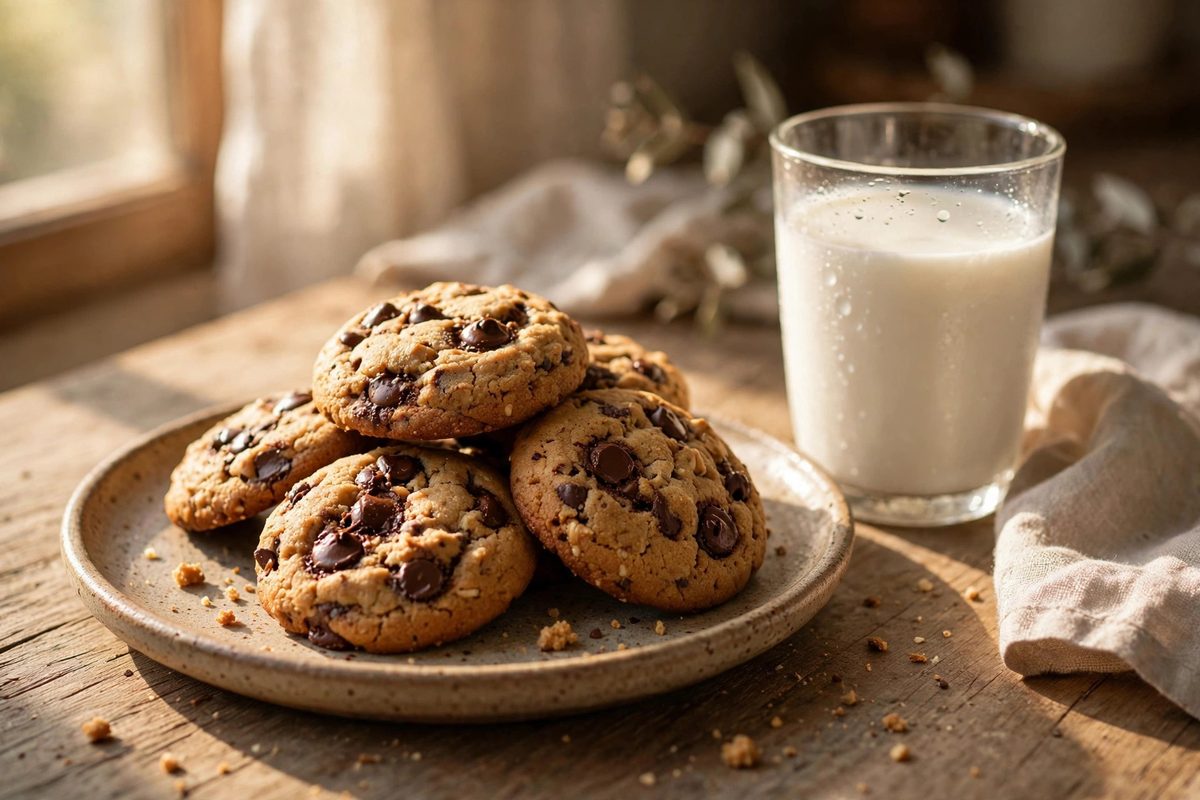
Gluten-free cookies are one of the easiest gluten-free bakes, because cookies do not need the structure that bread does. With the right flour, a little extra fat or egg, and a short rest, gluten-free cookies can be crisp at the edges, soft in the middle, and just as good as wheat cookies. This guide gives a reliable base recipe, explains how to get the texture you want, and covers the common problems that make gluten-free cookies crumbly or dry.
A reliable base recipe
A good base recipe uses 250 grams of gluten-free plain flour blend, half a teaspoon of xanthan gum if your blend does not include it, half a teaspoon of baking powder, 115 grams of soft butter, 100 grams of sugar, one egg, and a teaspoon of vanilla extract. Cream the butter and sugar, beat in the egg and vanilla, then stir in the flour until a soft dough forms. Chill the dough for 30 minutes, then roll into balls, place on a lined baking tray, and bake at 180 degrees Celsius for 10 to 12 minutes, until the edges are golden. Let the cookies cool on the tray for five minutes before moving them, because they are fragile when hot.
Getting the texture you want
For crisp cookies, use more white sugar than brown, bake for a minute longer, and make the cookies thinner. For chewy cookies, use more brown sugar, add an extra egg yolk, and take them out of the oven while the centres still look slightly soft, because they firm up as they cool. For soft cookies, add a tablespoon of milk or yoghurt to the dough. Chilling the dough before baking stops the cookies spreading too much, which is a common problem with gluten-free dough. A mix of butter and a little oil gives a good balance of flavour and softness.
Flavour variations
Chocolate chip cookies are the classic: add 100 grams of chocolate chips to the base recipe. Oat cookies use certified gluten-free oats in place of half the flour, and they are chewy and filling. Peanut butter cookies use 100 grams of peanut butter in place of half the butter, and they are rich and soft. Ginger cookies add a teaspoon of ground ginger and a tablespoon of treacle. Lemon cookies add the zest of one lemon and a tablespoon of lemon juice. Each variation uses the same base recipe, so you can try them all with confidence.
Common cookie problems
If your cookies spread too much, chill the dough longer and check that your oven is not too hot. If they are crumbly, add a little more xanthan gum or an extra egg yolk, and let the dough rest before baking. If they are dry, add a tablespoon of milk or use more brown sugar. If they are gritty, your flour blend may be coarse: let the dough rest for 30 minutes before baking, which gives the flour time to absorb liquid. If they are too hard, you may have over-baked them: take them out while the centres still look soft.
Baking with children
Baking gluten-free cookies with children is a good way to spend an afternoon together. Let them measure the ingredients, stir the dough, and roll the balls, and show them how the cookies spread and rise in the oven. Choose a simple recipe, such as chocolate chip cookies, and let them add the chocolate chips themselves. Talk about why the cookies are gluten-free and what that means, in simple terms. Children who bake are more likely to try new foods, and a tray of warm cookies is a reward for everyone. Freeze the extras for lunchboxes.
Frequently Asked Questions
Why are my gluten-free cookies crumbly?
They usually need more binder or more moisture. Add a little xanthan gum, an extra egg yolk, or a tablespoon of milk, and chill the dough before baking.
Can I freeze gluten-free cookie dough?
Yes. Roll the dough into balls, freeze them on a tray, then store them in a bag. Bake from frozen, adding two minutes to the baking time.
How long do gluten-free cookies keep?
About five days in a sealed container at room temperature, or up to three months in the freezer.
Important: if you have celiac disease or a wheat allergy, always check labels and look for certified gluten-free products. This site is general information only — talk to your doctor or a registered dietitian before changing your diet.