Home » Guides
Gluten-Free Lunch Ideas
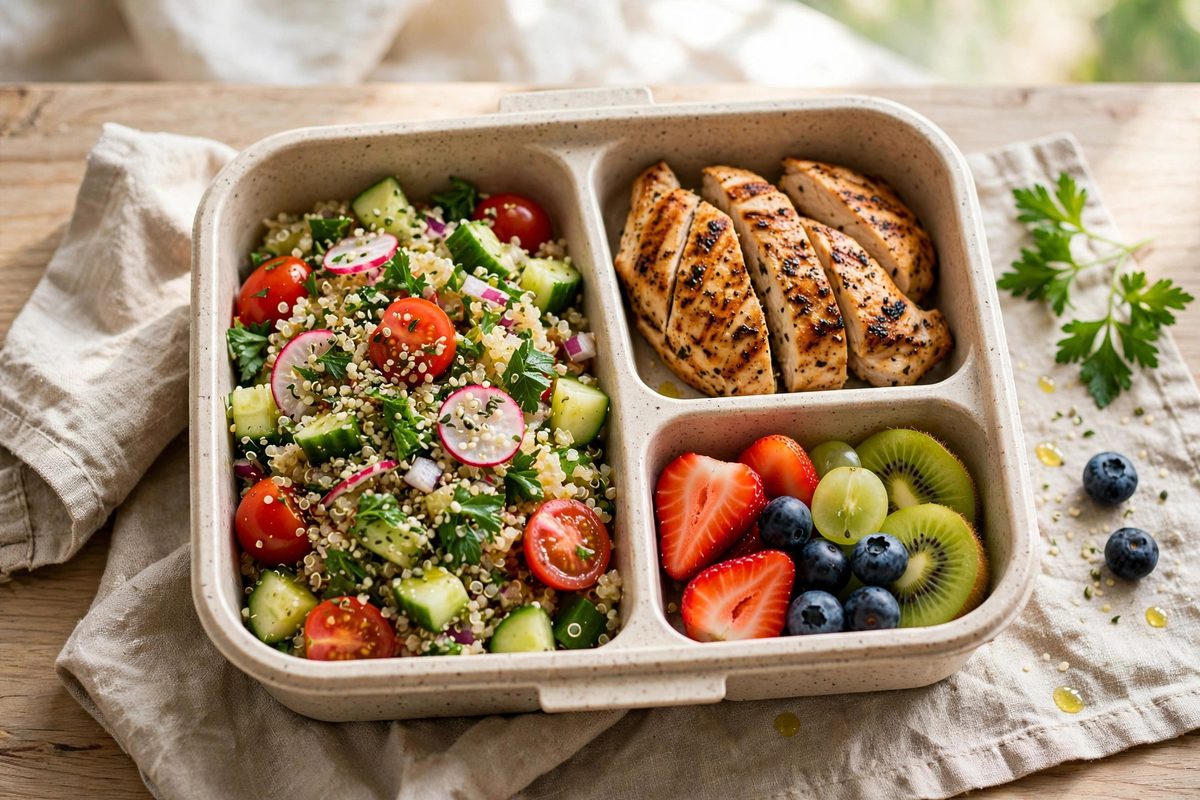
Lunch is often the hardest gluten-free meal, because the usual lunch foods, sandwiches, wraps, and pasta, are all based on wheat. But a gluten-free lunch can be just as quick and satisfying, and often more interesting, if you plan around rice, potatoes, salads, soups, and naturally gluten-free breads. This guide gives lunch ideas for home and for work, tips for using leftovers, and ways to keep lunch quick on busy days.
Sandwiches and wraps
Gluten-free bread makes a good sandwich, especially when toasted, and it is best filled with moist fillings like egg mayonnaise, tuna, or avocado, which stop it drying out. Corn tortillas make good wraps, and they are naturally gluten-free, but check the label, because some contain wheat flour. Rice-paper rolls, filled with prawns, vegetables, and herbs, are a light and fresh lunch. Lettuce wraps, using large leaves as a wrap for chicken or tuna, are a low-carb option. If you make sandwiches at home, prepare them in the morning and keep them cool until lunch.
Salads and bowls
A grain bowl is an easy gluten-free lunch: start with rice, quinoa, or potatoes, add a protein such as chicken, chickpeas, or eggs, add vegetables, and finish with a dressing. A lentil and feta salad, a chicken and rice salad, or a tuna and potato salad all keep well in a lunchbox. Add a dressing in a separate small pot so the salad does not go soggy. A hearty salad with a grain, a protein, and vegetables is a complete meal, not just a side dish. Prepare a large salad on Sunday and portion it into boxes for the week.
Soups and leftovers
Soup is one of the best gluten-free lunches: most soups are naturally gluten-free if they are thickened with potato or lentils rather than flour. A lentil soup, a vegetable soup, or a chicken and rice soup all freeze well in portions. Leftovers make the easiest lunches of all: cook extra rice, potatoes, or roast vegetables at dinner and save a portion for lunch the next day. A small portion of last night's curry with rice, or pasta with a vegetable sauce, is a quick and satisfying lunch that needs only reheating.
Lunchbox tips
Pack lunch in a container with separate sections so foods do not mix and go soggy. Keep cold food cold with an ice pack, and reheat hot food until steaming. Include a piece of fruit and a small snack, such as nuts or yoghurt, so you have something to eat if lunch is smaller than usual. Label your lunchbox if you share a fridge at work, so no one takes it by mistake. A little planning the night before makes the morning much easier, and it saves money compared with buying lunch every day.
Lunch for the week
A weekly lunch plan makes gluten-free eating much easier. On Sunday, look at the week ahead and plan five lunches, using leftovers, soups, and salads you can prepare in advance. Cook a large pot of soup and a grain salad, and portion them into boxes for the week. Keep a list on the fridge of what is in each box, so you can grab lunch quickly in the morning. Pack lunch the night before, so the morning is not rushed. A planned week of lunches saves time, reduces stress, and means you always have something good to eat.
Frequently Asked Questions
What is the easiest gluten-free lunch?
Leftovers from dinner, such as rice with curry or pasta with sauce. They need only reheating and no extra cooking.
Can I eat sandwiches if I am gluten-free?
Yes, with gluten-free bread or corn tortillas. Toast the bread for a better texture, and use moist fillings.
Are shop-bought salads gluten-free?
Many are, but check the dressing and any croutons or toppings. Ask for the dressing on the side if you are unsure.
Important: if you have celiac disease or a wheat allergy, always check labels and look for certified gluten-free products. This site is general information only — talk to your doctor or a registered dietitian before changing your diet.