Home » Guides
Gluten-Free Shopping List
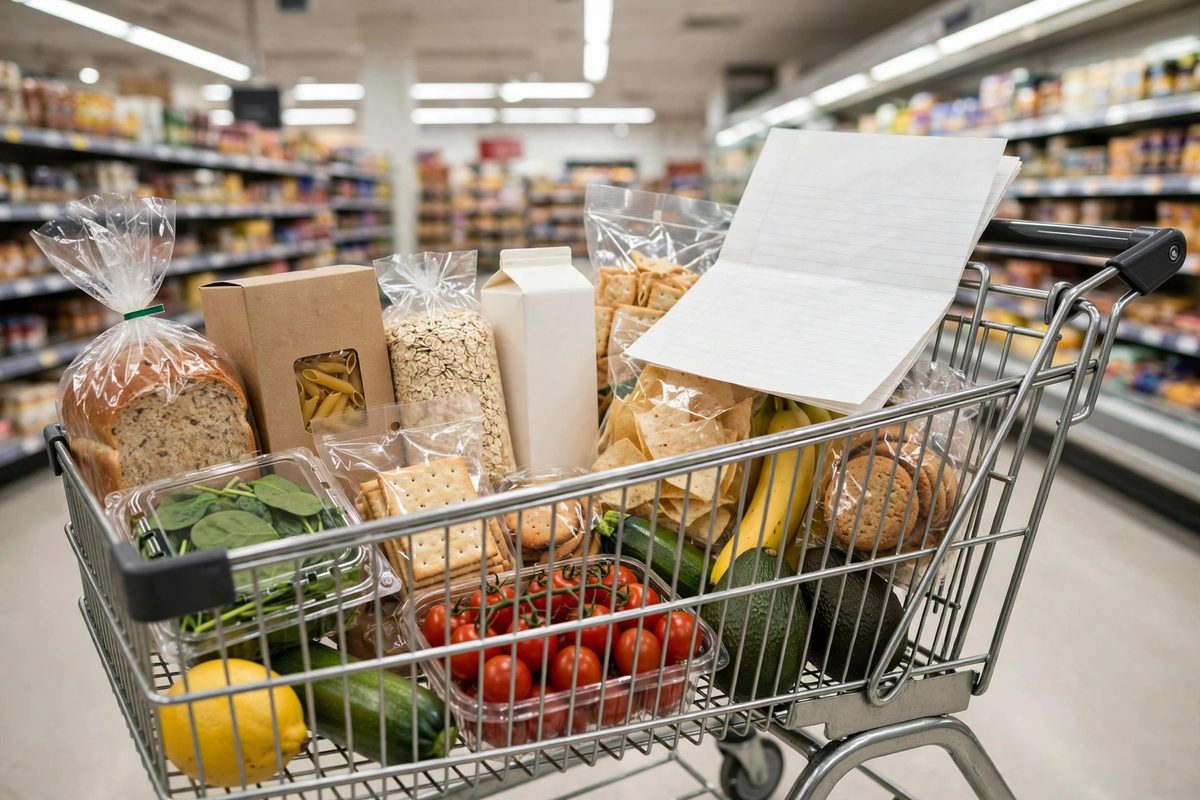
The first gluten-free shop can feel overwhelming: the labels are confusing, the free-from aisle is expensive, and it is hard to know what you actually need. But a gluten-free shop does not have to be complicated or costly, because most of the food in a supermarket is naturally gluten-free. This guide gives a complete shopping list for the first shop, explains how to read labels, and shows how to keep costs down.
Naturally gluten-free basics
Start with foods that are naturally gluten-free and need no special label. Fresh fruit and vegetables, meat, fish, and eggs are all naturally gluten-free. Rice, potatoes, corn, and lentils are cheap, filling staples. Milk, butter, cheese, and yoghurt are usually gluten-free, but check flavoured varieties. Nuts, seeds, and dried fruit are good snacks, although check for added coatings. Herbs, spices, salt, and pepper are safe, but check spice mixes, which sometimes contain wheat flour. These basics cover most meals without any special products.
Gluten-free products to buy
A few special products make life easier. Buy a 1-to-1 gluten-free flour blend for baking, and a loaf of gluten-free bread for sandwiches. Certified gluten-free oats are useful for porridge and baking. Gluten-free pasta, made from rice or chickpea, is a good staple. Tamari is a gluten-free soy sauce for cooking. Gluten-free crackers and rice cakes are handy for snacks. Buy these in small amounts at first, until you know which brands you like, because they are more expensive than wheat products and quality varies.
Reading labels
Reading labels is the most important gluten-free skill. Look for the words gluten-free or a certified gluten-free mark, and check the ingredients for wheat, barley, rye, and oats that are not certified. Watch for hidden gluten in sauces, stock cubes, spice mixes, and processed foods. In many countries, allergens are printed in bold in the ingredients list, which makes them easier to spot. Be careful with may contain traces of wheat warnings: for celiac disease, it is safest to avoid products with that warning. Recipes change, so check the label every time, even for foods you have bought before.
Keeping costs down
Gluten-free products are often two or three times the price of wheat products, so it pays to be smart. Build meals around naturally gluten-free foods like rice, potatoes, lentils, and vegetables, which are cheap. Buy gluten-free flour and pasta in bulk when they are on offer. Bake your own bread and snacks, which is cheaper than buying them. Shop at supermarkets with a good free-from range, and compare prices, because the same product can cost very different amounts in different shops. Avoid buying everything in the free-from aisle: most of it is not necessary.
Shopping with confidence
Shopping gets easier with practice, and a regular routine helps. Shop at the same supermarket each week, so you learn where the gluten-free foods are and which brands you trust. Keep a list on your phone of safe products, and update it when you find a new one. Read labels every time, because recipes change, and check for a certified gluten-free claim if you have celiac disease. Buy naturally gluten-free foods first, and add special products only where you need them. Within a few weeks, the gluten-free shop will feel normal rather than overwhelming.
Frequently Asked Questions
What should I buy on my first gluten-free shop?
Naturally gluten-free basics first: rice, potatoes, fruit, vegetables, meat, and eggs. Then a flour blend, gluten-free bread, and certified oats.
How do I know if a product is gluten-free?
Look for a certified gluten-free label and check the ingredients for wheat, barley, and rye. Allergens are usually printed in bold.
Why is gluten-free food more expensive?
Gluten-free products are made in smaller batches with dedicated facilities and testing, which costs more. Building meals around naturally gluten-free foods keeps costs down.
Important: if you have celiac disease or a wheat allergy, always check labels and look for certified gluten-free products. This site is general information only — talk to your doctor or a registered dietitian before changing your diet.